Demos
Demos  Colors
 Docs
Docs  Support






The workplace of 2026 is dramatically different from even just a few years ago. Organizations are increasingly relying on technology not only to streamline operations but also to enhance employee experience, improve decision-making, and drive strategic growth. At the heart of this evolution is Digital HR Transformation—a process that leverages modern technologies, data analytics, and automation to revolutionize human resources management.
Digital HR transformation is no longer a “nice-to-have” initiative. Companies that embrace it gain a competitive advantage through faster processes, better workforce insights, and more engaged employees. Let’s explore how this transformation is reshaping the modern workplace.
1. Streamlining HR Operations Through Automation
One of the most immediate benefits of digital HR transformation is the automation of routine administrative tasks. Traditional HR processes such as payroll, leave management, benefits administration, and performance tracking often consume significant time and resources.
- Automation of repetitive tasks: By automating approvals, notifications, and record-keeping, HR teams can focus on more strategic activities.
- Faster recruitment processes: Digital tools enable automated candidate screening, scheduling, and communication, reducing time-to-hire.
- Improved accuracy: Automation minimizes human errors in HR operations, ensuring compliance and consistency.
This streamlining of operations increases efficiency, reduces costs, and allows HR professionals to dedicate more time to initiatives that directly impact employee engagement and business growth.
2. Data-Driven Decision Making
Digital HR transformation brings powerful analytics to the forefront of workforce management. HR teams can now access real-time insights into employee performance, engagement, and workforce trends.
- Predictive analytics: Tools can forecast attrition, identify skill gaps, and anticipate workforce needs.
- Employee sentiment analysis: By monitoring engagement surveys and feedback, organizations can proactively address concerns.
- Strategic workforce planning: Data-driven insights help leaders allocate resources effectively and plan for future talent requirements.
With these insights, HR leaders can make informed decisions that align with overall business objectives, turning human capital management into a strategic advantage.
3. Enhancing Employee Experience
A core focus of digital HR transformation is improving the employee experience. Technology enables personalized interactions, seamless processes, and greater transparency.
- Self-service platforms: Employees can access pay slips, benefits information, and training resources anytime, anywhere.
- Personalized learning and development: Digital tools recommend courses, certifications, and career pathways tailored to individual needs.
- Real-time feedback systems: Employees can receive continuous feedback, enabling faster improvement and stronger engagement.
When employees feel supported and empowered by technology, their satisfaction and productivity increase, driving both retention and performance.
4. Enabling Remote and Hybrid Work
The rise of remote and hybrid work models has made digital HR solutions indispensable. Modern platforms support collaboration, performance management, and engagement regardless of location.
- Virtual onboarding and training: New hires can be effectively onboarded with interactive modules and digital resources.
- Remote performance tracking: Managers can monitor goals, projects, and KPIs in real time.
- Digital collaboration tools: Platforms enable communication, knowledge sharing, and team cohesion across distributed workforces.
By facilitating seamless remote operations, digital HR ensures that employees remain productive, connected, and motivated, no matter where they work.
5. Strengthening Compliance and Risk Management
HR teams must navigate complex regulations and compliance requirements. Digital tools help organizations stay ahead of legal obligations and mitigate risks.
- Automated compliance monitoring: Track labor laws, health and safety standards, and data privacy requirements.
- Centralized documentation: Maintain digital records of contracts, agreements, and policies for audit readiness.
- Proactive risk management: Identify and address potential compliance gaps before they escalate into legal or financial issues.
This reduces the risk of fines, legal disputes, and reputational damage while ensuring employees and the organization are protected.
6. Driving Strategic HR and Organizational Growth
Ultimately, digital HR transformation elevates HR from an administrative function to a strategic partner. By leveraging technology, HR can contribute to broader organizational goals, including talent retention, operational efficiency, and revenue growth.
- Integration with business strategy: HR insights inform workforce planning, budgeting, and organizational development.
- Enhanced agility: Organizations can respond faster to market changes, talent shortages, or operational challenges.
- Culture of innovation: Digital tools foster collaboration, experimentation, and continuous improvement within teams.
Businesses that adopt digital HR transformation position themselves for long-term success, with a workforce that is more capable, engaged, and aligned with organizational objectives.
Digital HR transformation is not just a technological upgrade—it’s a revolution in how organizations manage, empower, and retain their most valuable asset: people. By automating operations, leveraging data analytics, enhancing employee experiences, supporting remote work, and ensuring compliance, businesses can unlock new levels of productivity, engagement, and growth.
In 2026 and beyond, companies that embrace digital HR transformation will stand out as agile, forward-thinking, and capable of attracting and retaining top talent in a competitive global market.
Post a comment
Related Posts

15 September 2026
Canada–US Tariffs: How a Trade Dispute Is Reshaping North America
The two neighbours have moved from difficult negotiations to matching tariffs, import restrictions and a…
17 August 2026
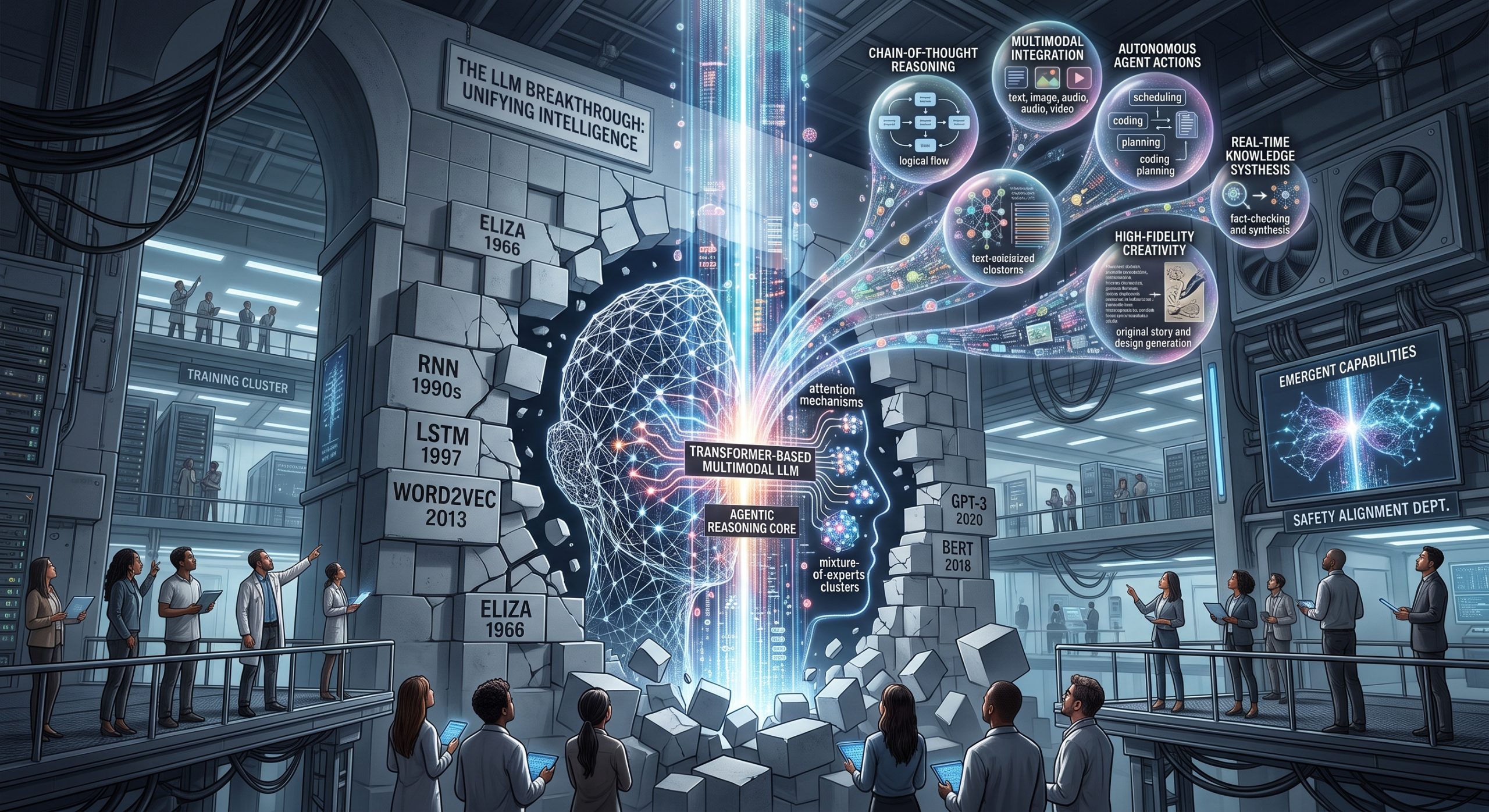
The First Real LLM Breakthrough? Why a 2017 Research Paper Still Matters
Modern AI assistants did not appear overnight. Their development can be traced through decades of…

9 July 2026
How a Truck Driver Cleared $40,000 in Debt and Paid Off His Mortgage 20 Years Early
This article describes one person’s reported experience. Financial circumstances and outcomes vary. For Melbourne truck…

22 January 2026
The Power of Emotion: How TV Show Hosts Shape Audience Engagement and Success
In the world of television entertainment, the host is far more than a presenter. They…